


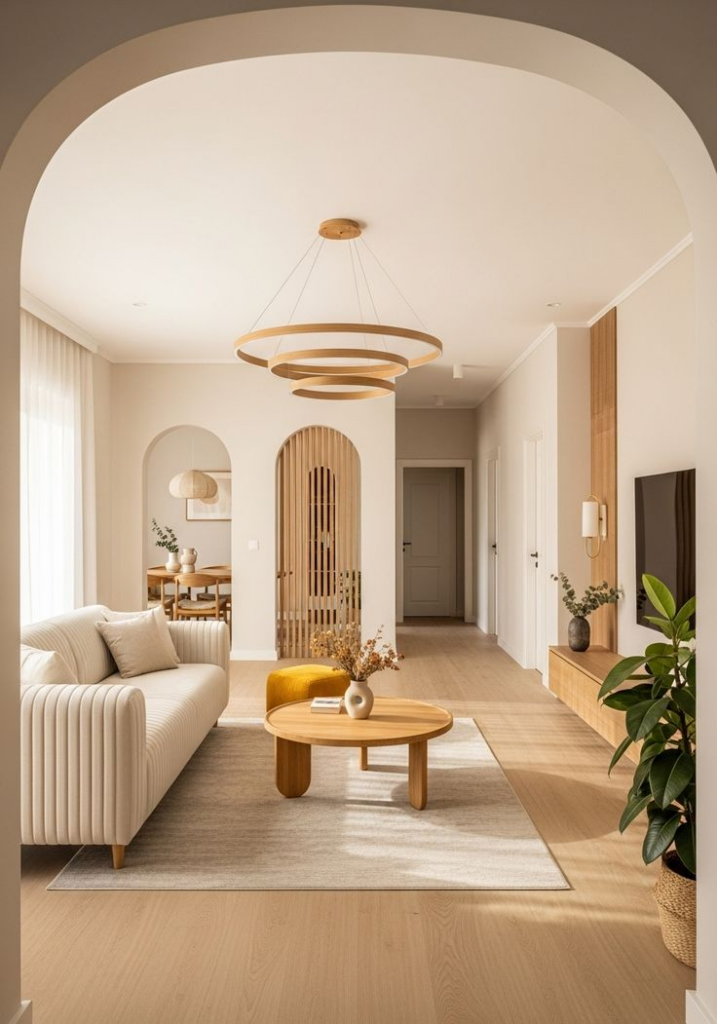
If you’ve been scrolling through renovation inspiration on Pinterest or Instagram lately, chances are you’ve come across Japandi — the design movement that’s quietly taken over Melbourne’s most stylish renovated homes and shows absolutely no signs of slowing down.
So what exactly is Japandi, why are Melbourne homeowners and renovation specialists embracing it so enthusiastically, and how can you incorporate it into your own bathroom, kitchen, laundry, or residential renovation? Here’s everything you need to know.
What Is Japandi Design?
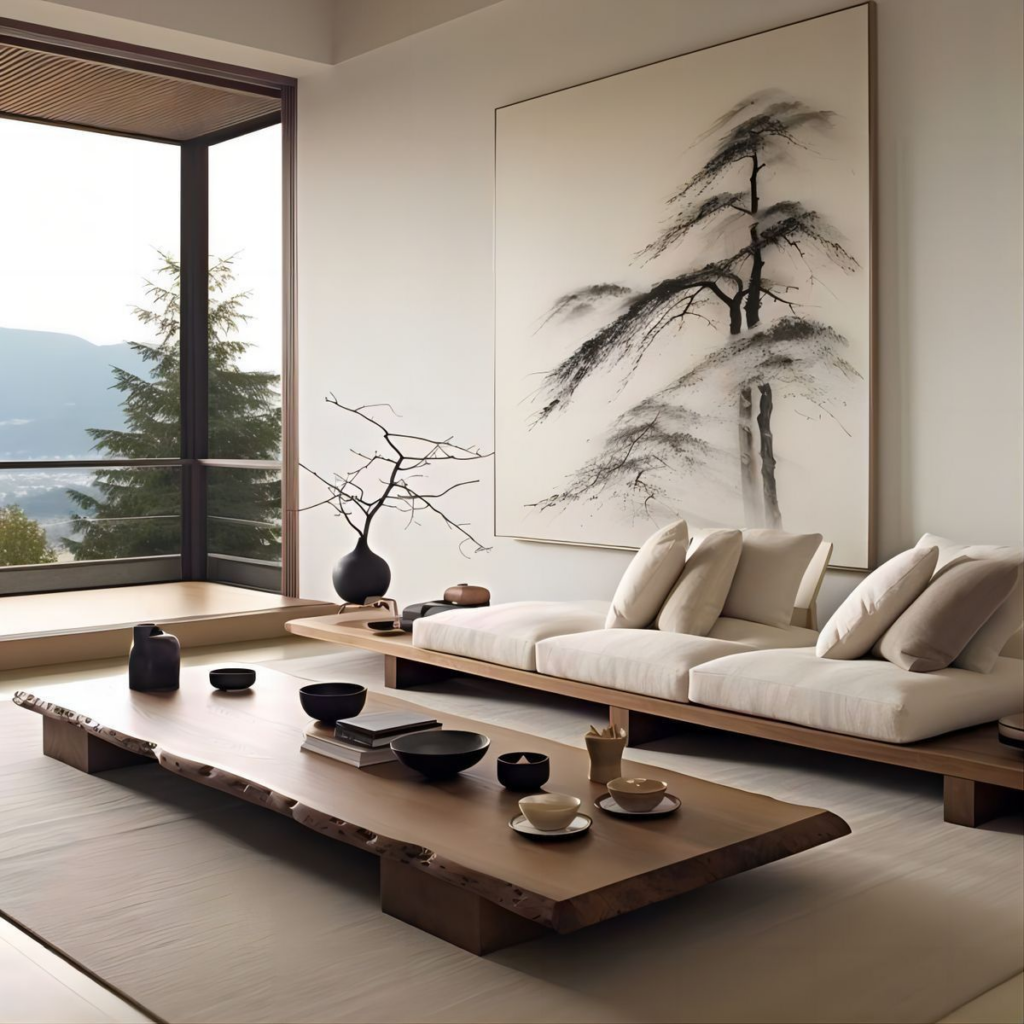
Japandi is a hybrid design aesthetic that fuses Japanese minimalism with Scandinavian warmth — two design traditions that, on the surface, seem quite different, but share a deep commitment to simplicity, natural materials, craftsmanship, and the idea that beauty emerges from function rather than decoration.
The term itself is a portmanteau of “Japan” and “Scandi,” and while the aesthetic has been building momentum globally for several years, it’s reached a genuine tipping point in Melbourne’s renovation market. Melbourne’s design culture — with its strong appreciation for considered minimalism, natural materials, and high-quality craftsmanship — is a natural fit for Japandi’s core principles.
The Core Principles of Japandi Applied to Home Renovation
1. Wabi-Sabi Meets Hygge At its heart, Japandi blends the Japanese concept of wabi-sabi — finding beauty in imperfection, impermanence, and the natural — with the Scandinavian concept of hygge — creating warm, cosy, comfortable spaces that promote wellbeing. In practical renovation terms, this means embracing natural materials that show their grain, texture, and character rather than seeking out perfectly uniform, high-gloss finishes.
2. A Restrained, Neutral Palette Japandi spaces use a carefully curated palette of warm neutrals — off-white, warm grey, sage green, dusty terracotta, charcoal, and the rich brown tones of natural timber. In Melbourne bathroom and kitchen renovations, this translates to matte ceramic tiles in earthy tones, timber-look benchtops or cabinetry, and fixtures in brushed nickel, matte black, or warm brass.
3. Natural Timber as a Central Material Whether it’s a timber vanity in a bathroom renovation, timber-look cabinetry in a kitchen remodel, or a hardwood timber deck in an outdoor living renovation, natural wood is the defining material of the Japandi aesthetic. In Melbourne, popular species for Japandi-inspired renovations include Tasmanian Oak, Blackbutt, and American White Oak — all available through quality Australian timber suppliers.
4. Clean Lines, Recessed Handles & Uncluttered Surfaces Japandi design eliminates visual noise. In kitchen and laundry renovations, this means handle-less or recessed-handle cabinetry, integrated appliances, and benchtop surfaces kept as clear as possible. In bathroom renovations, it means wall-hung vanities, frameless shower screens, and concealed storage behind clean, flat-panel doors.
5. Purposeful, Crafted Details Japandi doesn’t mean stripped-back or cold — it means that every element that is present has been chosen deliberately and made well. A hand-thrown ceramic basin in a bathroom renovation, a custom-jointed timber drawer insert in a kitchen renovation, or a carefully detailed pergola with exposed timber rafters — these considered details are what elevate a Japandi-inspired renovation from simply “minimal” to genuinely beautiful.
Japandi in Melbourne Bathroom Renovations
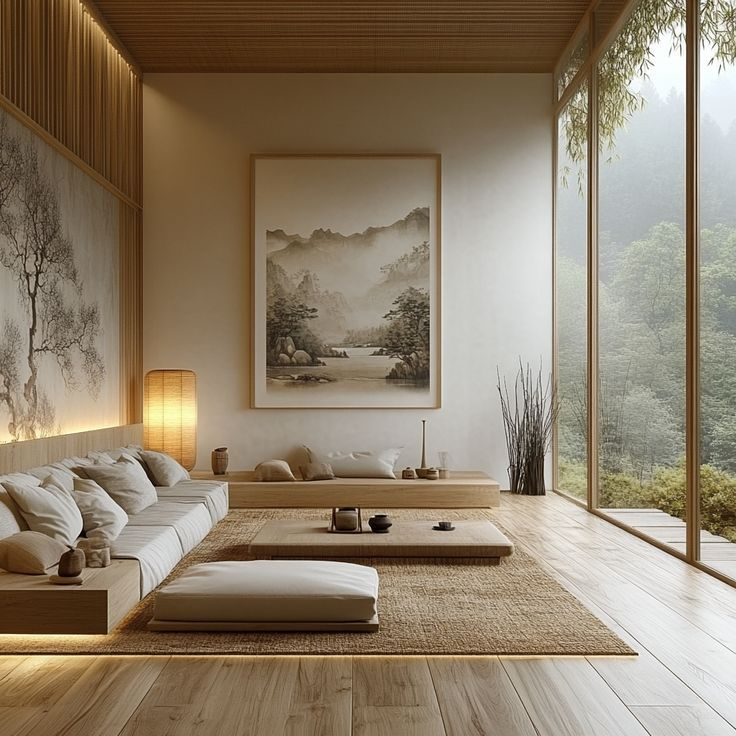
Melbourne bathroom renovations are where the Japandi trend has taken perhaps its strongest hold. Key Japandi bathroom features appearing in Melbourne renovation projects in 2026 include:
- Fluted or ribbed wall tiles in warm white, sage, or clay tones — the subtle texture adds visual interest without breaking the calm
- Wall-hung timber vanities with an integrated stone top and undermount basin — the floating vanity creates a sense of space while the timber grounds the room
- Matte black or brushed nickel tapware with clean, architectural lines — no ornate detailing, just quality form
- Large-format floor tiles in a warm stone-look finish, often with a subtle vein or variation that references natural material
- Frameless shower screens or Japanese-inspired hinged shower panels in clear or fluted glass
- Concealed in-wall cisterns to eliminate visual clutter and create a cleaner wall plane
- Warm, layered lighting — recessed ceiling lights supplemented by a wall sconce beside the mirror, rather than a single overhead fitting
Japandi in Melbourne Kitchen Renovations
In Melbourne kitchen renovations, the Japandi approach challenges the dominance of the all-white kitchen that defined the 2010s. Key Japandi kitchen features in demand across Melbourne in 2026 include:
- Two-tone cabinetry — typically a warm off-white or soft sage for upper cabinets combined with a natural timber-look or darker tone for lower cabinets
- Thick stone benchtops in Calacatta, Statuario, or warm greige tones with soft, leathered or honed finishes rather than high-polish
- Integrated appliances and handle-less cabinetry for a clean, uninterrupted run of joinery
- Open shelving sections styled with considered ceramics, timber cutting boards, and a small number of carefully chosen kitchen objects
- Earthy splashback tiles in a handmade-look ceramic or a warm stone-look porcelain — replacing the once-ubiquitous white subway tile
How to Incorporate Japandi Into Your Melbourne Renovation
You don’t need to commit to a full Japandi overhaul to benefit from its principles. Some of the most effective Japandi-influenced renovations in Melbourne are those that take a considered, selective approach — incorporating natural timber, a warm neutral palette, and clean-lined fixtures into an existing renovation project without necessarily labelling the result as “Japandi.”
The best starting point is a design consultation with a Melbourne renovation specialist who can advise on material selections, layout options, and fixture choices that align with the aesthetic you’re after — and make sure those choices work practically within your budget and your home’s existing architecture.
Inspired to Bring Japandi Style to Your Melbourne Home?
At Kevin Quach Property Group, we work with Melbourne homeowners across all renovation styles — from contemporary Japandi-inspired bathroom and kitchen renovations to full residential renovations with a cohesive design vision throughout.
Contact us today to book a free design consultation and explore what Japandi could look like in your home.
