The arrangement of your living room furniture affects everything from traffic flow to conversation quality. Even beautiful furniture can feel awkward if placed poorly, while thoughtful arrangement can transform an ordinary room into a welcoming, functional space. Here are essential tips for arranging your living room furniture successfully.
Define Your Room’s Purpose
Before moving anything, clarify how you use your living room. Is it primarily for entertaining, family time, television watching, or a combination? Different uses suggest different arrangements. A conversation-focused layout differs from a media-centric one. Understanding your priorities helps you arrange furniture to support how you actually live.
Create Conversation Areas
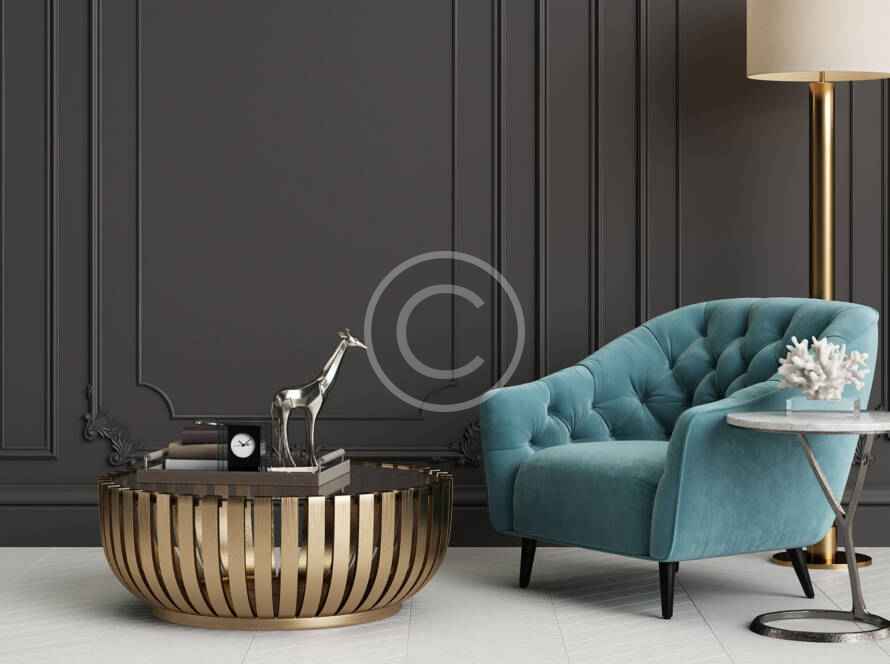
Arrange seating to facilitate easy conversation. Sofas and chairs should face each other at comfortable distances, typically no more than 2.5 meters apart. In larger rooms, create multiple conversation groupings rather than spreading furniture too far apart. Angle pieces slightly toward each other to create an inviting sense of enclosure.
Establish Clear Traffic Paths
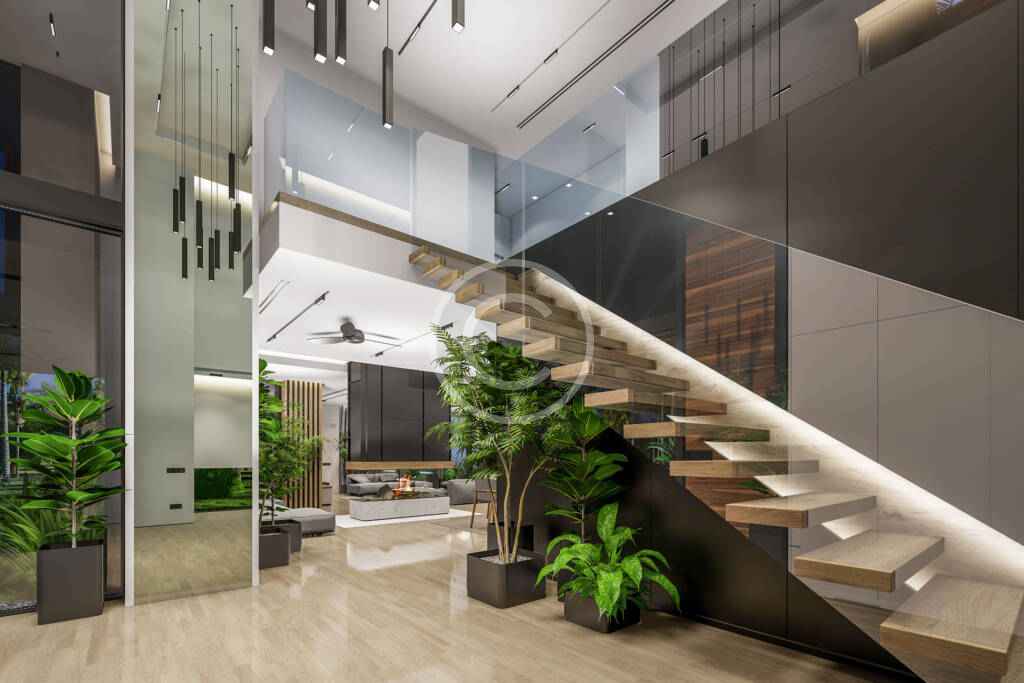
People need to move through your living room easily without navigating an obstacle course. Maintain clear pathways of at least 90 centimetres for major routes. Consider how people enter the room and where they naturally want to go. Furniture placement should guide movement rather than impede it.
Anchor with Area Rugs
Rugs help define seating areas and unify furniture groupings. Ideally, all furniture legs should sit on the rug, or at least the front legs of major pieces. The rug should be large enough to extend beyond your seating arrangement by 30-45 centimetres. This grounding effect makes furniture groupings feel intentional and connected.

Balance the Room Visually
Distribute visual weight throughout the space so no area feels too heavy or empty. Balance a large sofa with substantial pieces on opposite walls. Mix furniture heights and incorporate both substantial and delicate pieces. Consider symmetrical arrangements for formal rooms or asymmetrical balance for more relaxed spaces.
Successful furniture arrangement balances aesthetics with functionality. Take time to experiment with different configurations before settling on your final layout. Don’t hesitate to break conventional rules if an unconventional arrangement better suits your space and lifestyle. The best arrangement is one that works beautifully for how you actually live.