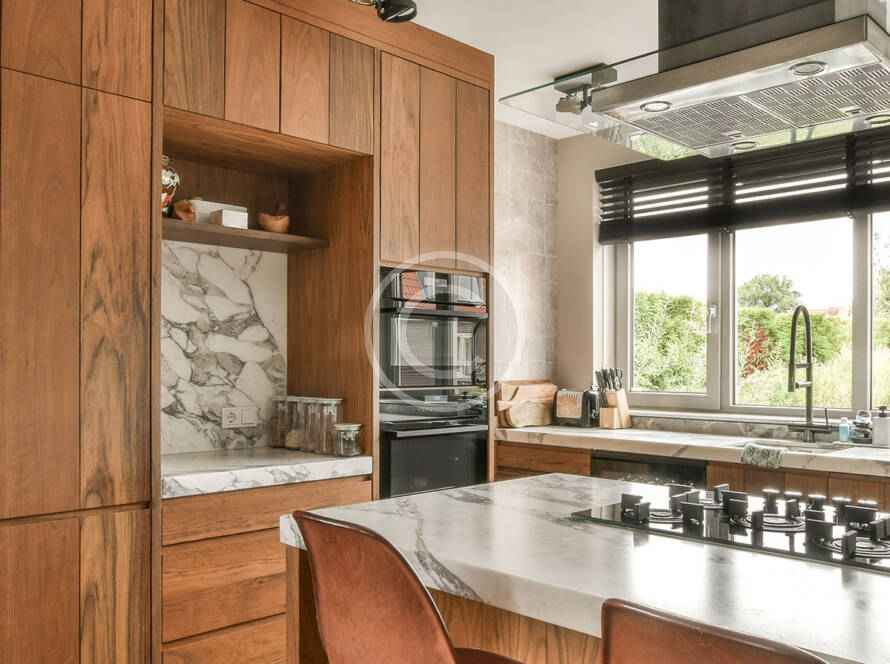
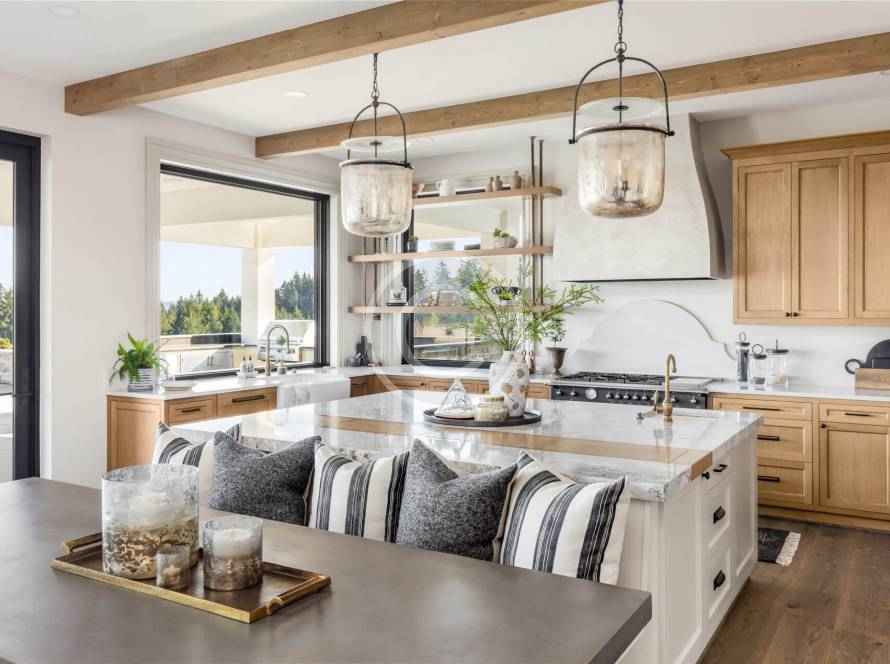
Melbourne’s love of outdoor living is well documented — and in 2026, the outdoor renovation market across Melbourne is experiencing one of its strongest periods of growth in years. Driven by a combination of rising property prices (making extensions more attractive than moving), a post-pandemic appreciation for usable home space, and a new generation of outdoor building materials and design ideas, Melbourne homeowners are investing in their outdoor spaces like never before.
Here’s a look at the outdoor living renovation trends that Melbourne’s most impressive homes are embracing this year.
1. The “Fifth Room” — Outdoor Spaces Designed as True Extensions of the Home
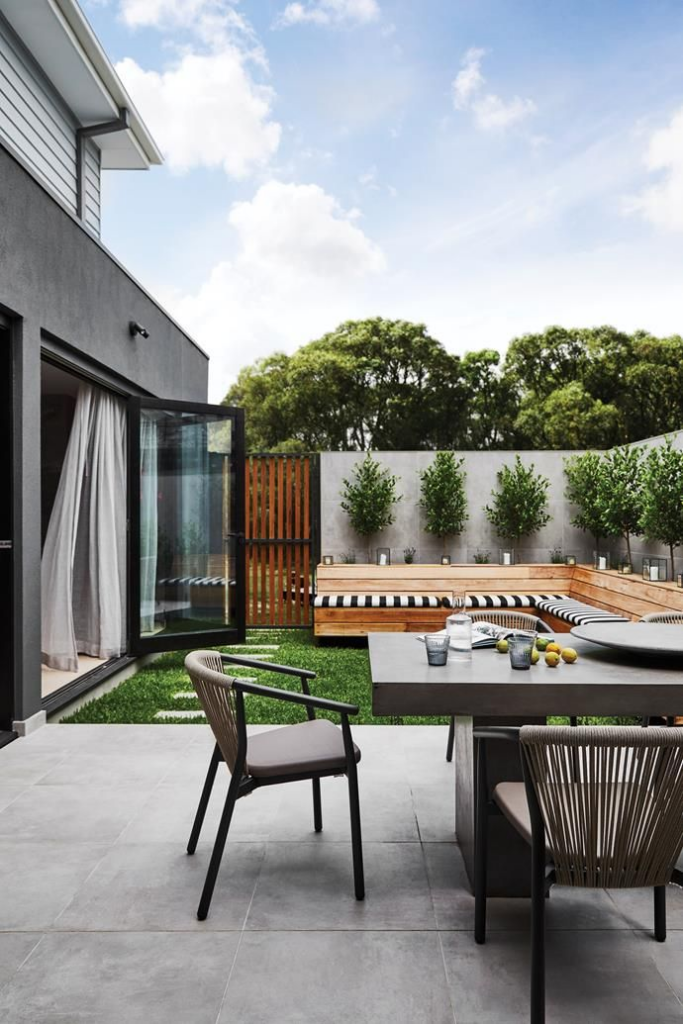
The most significant shift in outdoor living renovation thinking across Melbourne in recent years is the move away from a basic covered area towards a genuinely designed “fifth room” — an outdoor space that is planned, furnished, lit, and equipped with the same level of intention as any interior room in the house.
A well-executed “fifth room” outdoor renovation in Melbourne typically includes:
- A covered structure — either a pergola, a Colorbond-roofed alfresco area, or a louvred roof system — that provides year-round weather protection
- Integrated outdoor lighting — recessed downlights in the ceiling, strip lighting under benches, and landscape lighting in the garden
- Outdoor kitchen or BBQ station — built-in benchtop, sink, integrated BBQ, and storage cabinetry in a weatherproof finish
- Built-in seating or a day bed — fixed outdoor furniture that defines the space and doesn’t need to be stored
- An outdoor heater or fireplace — essential for Melbourne’s winter months, and increasingly a design feature in its own right
- Outdoor sound system — weatherproof in-ceiling or in-wall speakers that integrate with the home’s existing audio system
This level of outdoor renovation investment — typically ranging from $40,000 to $120,000+ in Melbourne depending on scope and materials — is increasingly being justified by the property value return it delivers, as well as the genuine lifestyle transformation it creates.
2. Louvred Roof Pergolas — Melbourne’s Most In-Demand Outdoor Structure in 2026
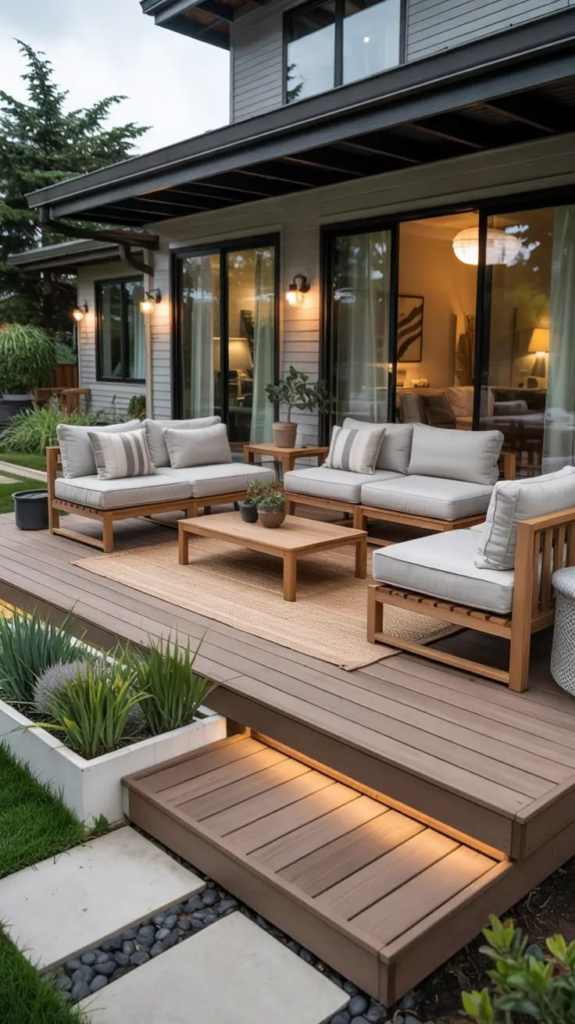
If there is a single outdoor renovation product that has captured Melbourne homeowners’ attention more than any other in the past two years, it’s the louvred roof pergola — and the demand shows no sign of slowing.
A louvred roof pergola features adjustable aluminium louvres that can be opened to let in sunlight and breezes on fine Melbourne days, and closed to provide full weather protection when rain arrives — which, in Melbourne, can happen at any time. The ability to use the outdoor space in genuinely all-weather conditions is the product’s defining appeal, and it’s a significant upgrade on a fixed Colorbond or polycarbonate roof that either lets in too much heat or blocks too much light.
Key features of quality louvred roof pergola systems available in Melbourne include:
- Motorised louvres operated by a remote control or smartphone app
- Integrated drainage channels in the louvre frames that direct rainwater away from the outdoor space
- Optional integrated lighting and heating within the louvre structure itself
- Powder-coated aluminium frames in a wide range of colours to match the home’s exterior
Louvred roof pergolas in Melbourne are subject to building permit requirements in most council areas, and their cost varies considerably depending on size, features, and installation complexity. A licensed Melbourne pergola builder will advise on permit requirements and provide a detailed fixed-price quote.
3. Composite Decking — The Low-Maintenance Alternative Melbourne Homeowners Are Choosing
Hardwood timber decking has been Melbourne’s default deck material for decades — and timber decks remain beautiful and popular. But composite decking has crossed a significant quality threshold in recent years, and an increasing number of Melbourne homeowners choosing to build or replace a deck in 2026 are opting for composite over timber for one compelling reason: dramatically lower maintenance requirements.
Quality composite decking boards available in Melbourne no longer look or feel like the grey, plastic-adjacent products of a decade ago. The latest generation of composite decking features realistic timber-grain textures, a wide range of warm and natural colour options, and a surface hardness and UV resistance that makes them highly suitable for Melbourne’s outdoor conditions.
The practical benefits of composite decking for Melbourne homeowners include:
- No annual oiling or sealing — unlike hardwood timber decks that require regular maintenance to prevent greyingand cracking
- Resistance to Melbourne’s UV exposure — composite boards are rated for high UV environments and won’t fade or silver the way untreated timber does
- Splinter-free surface — an important consideration for families with young children or bare-foot entertaining
- Consistent appearance over time — composite decks look virtually the same after 10 years as they do on day one, with minimal maintenance
The trade-off is typically a higher upfront cost compared to hardwood timber decking — but for many Melbourne homeowners, the elimination of ongoing maintenance costs and effort makes composite the better long-term investment.
4. Outdoor Kitchen Renovations — Melbourne’s Fastest Growing Outdoor Living Category
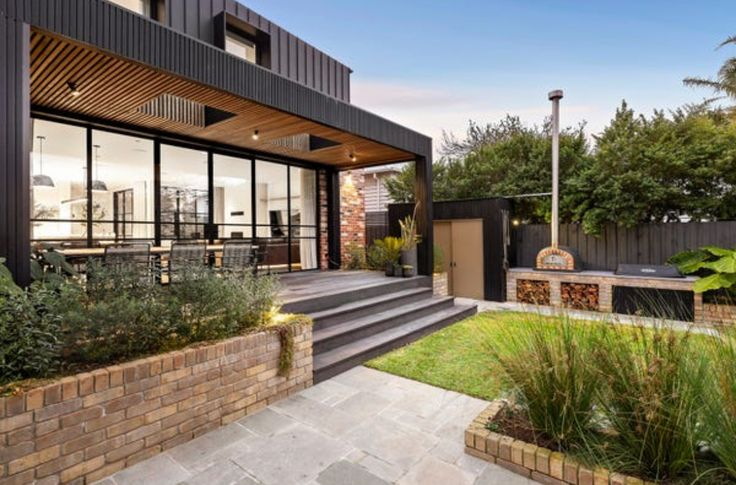
The outdoor kitchen — once considered a luxury reserved for large-block properties in Melbourne’s outer suburbs — is now one of the most requested features in outdoor living renovations across all of Melbourne’s property types, from inner-city terraces with compact courtyards to large family homes in the eastern suburbs.
The appeal is straightforward: Melbourne’s climate allows for outdoor entertaining for a significant portion of the year, and a proper outdoor kitchen — rather than a freestanding portable BBQ — transforms the outdoor entertaining experience entirely.
Key features of well-designed outdoor kitchen renovations in Melbourne in 2026:
- Built-in BBQ or pizza oven on a solid concrete or stone benchtop — typically in a granite, bluestone, or compressed concrete finish for weather resistance
- Outdoor sink with hot and cold water — requires a licensed plumber to connect, but dramatically improves the functionality of the outdoor kitchen
- Weatherproof cabinetry in a powder-coated aluminium or marine-grade stainless steel frame — marine plywood with a weatherproof finish is also popular for a warmer aesthetic
- Outdoor refrigerator — an increasingly standard inclusion in Melbourne outdoor kitchen renovations, particularly for households that entertain frequently
- Rangehood or overhead ventilation — important if the outdoor kitchen is located under a covered pergola or alfresco structure
5. Biophilic Design in Melbourne Outdoor Renovations
Biophilic design — the practice of incorporating natural elements, living plants, and natural materials into built environments to create a stronger connection with nature — has become one of the most influential design philosophies in Melbourne renovation circles, and its influence is being felt strongly in outdoor living renovation projects.
In practical terms, biophilic design in Melbourne outdoor renovations manifests as:
- Vertical gardens and green walls — particularly popular in Melbourne’s inner-city and middle-ring suburbs where block sizes limit horizontal garden space
- Water features — from simple wall-mounted water blades to more elaborate pond or rill features, the sound and movement of water dramatically enhances the sensory experience of an outdoor space
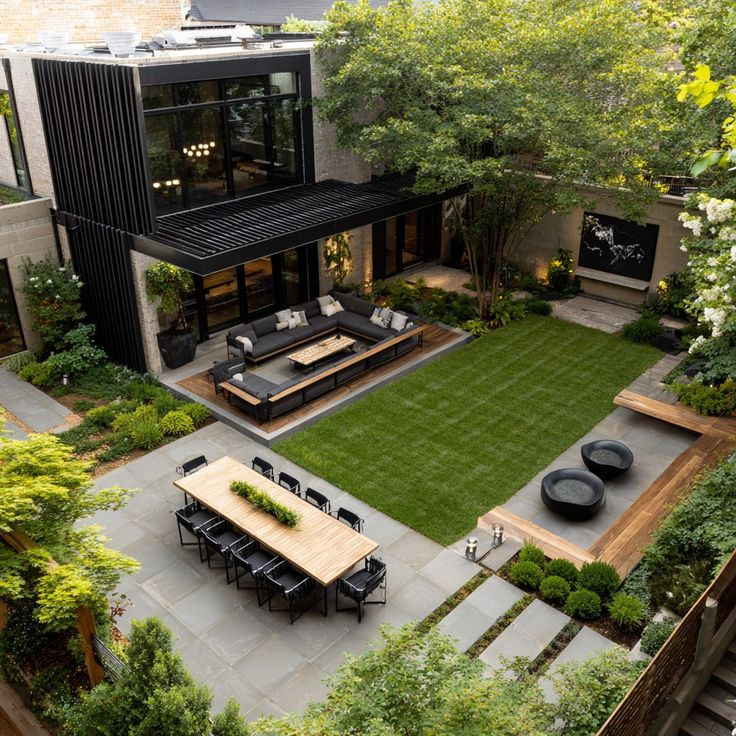
- Natural stone paving — bluestone, sandstone, and granite pavers are seeing a strong resurgence in Melbourne outdoor renovation projects as homeowners move away from the concrete paving that dominated the 2010s
- Mature plantings and canopy trees incorporated into the outdoor renovation design from the outset — rather than added as an afterthought after the hard landscaping is complete
- Natural timber elements — exposed timber rafters, timber screen panels, and timber deck boards that age gracefully and develop patina over time
Ready to Transform Your Melbourne Outdoor Space?
Whether you’re planning a new deck, a custom pergola, an alfresco entertaining area, or a complete outdoor living renovation, the team at Kevin Quach Property Group has the experience and expertise to bring your vision to life — on time, within budget, and built to Melbourne’s exacting outdoor conditions.
Contact us today to book a free on-site outdoor living consultation and obligation-free quote.