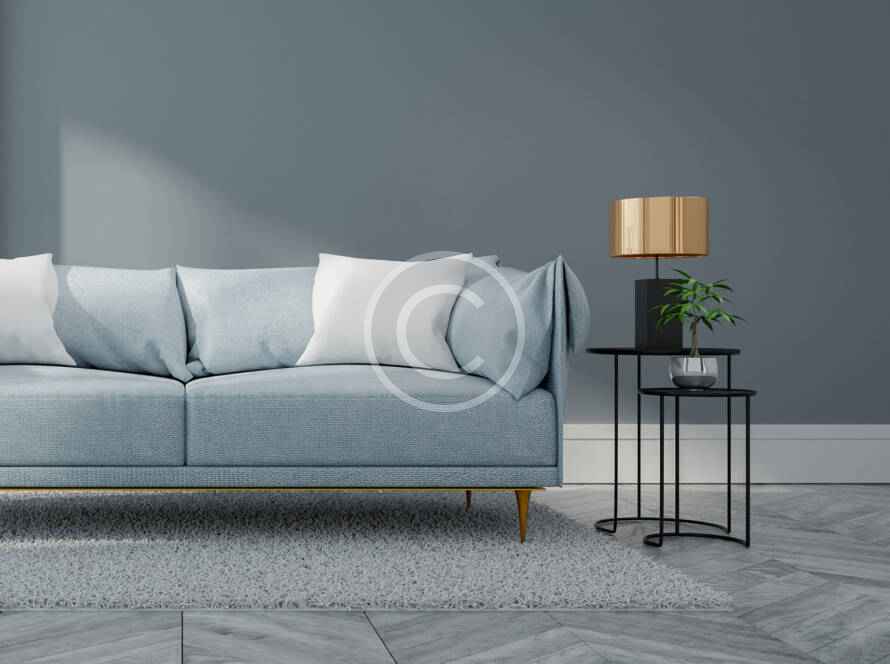
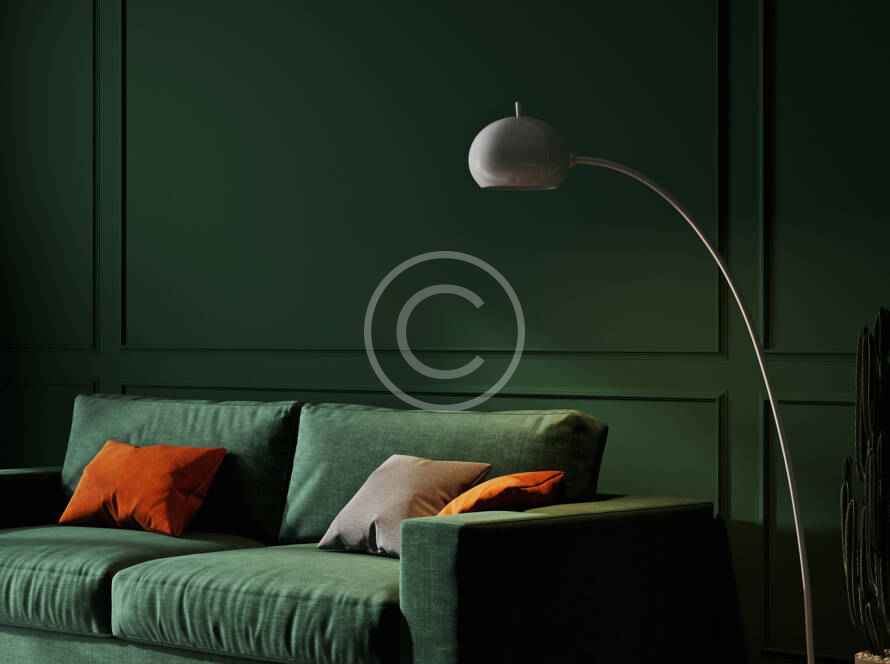
A mood board is one of the most valuable tools in interior design, helping you visualise and refine your living room concept before making any purchases. This creative exercise saves time, money, and prevents design regrets by allowing you to see how different elements work together. Here’s how to create an effective mood board for your living room.
Gathering Inspiration
Start by collecting images that resonate with you, without worrying about whether they match. Flip through design magazines, browse Pinterest, save Instagram posts, and photograph spaces you admire. Look beyond living rooms to fashion, art, nature, and travel images that capture colours, textures, or moods you want to evoke. This broad approach helps you identify patterns in your preferences.
Choosing Your Format
Mood boards can be physical or digital, and each has advantages. Physical boards using a cork board or poster board let you work with actual fabric swatches, paint chips, and material samples. Digital boards through apps like Pinterest or Canva offer unlimited space and easy editing. Consider creating both: a digital board for inspiration and a physical one for actual material samples.
Establishing Your Foundation
Begin with the largest elements that anchor your room’s design. Include images of furniture styles you’re considering, particularly your sofa as it’s typically the biggest piece. Add potential wall colours, flooring options, and window treatment styles. These foundational elements set the tone for everything else and should harmonise with your home’s existing architecture.
Adding Layers and Details
Once your foundation is set, layer in accent pieces and accessories. Include lighting fixtures, artwork styles, decorative objects, and textiles like cushions and throws. Consider the proportions of different elements and how they’ll fill your space. This is also the time to ensure your colour palette remains cohesive and your pattern mixing feels intentional.

Refining Your Vision
Step back from your mood board regularly and ask critical questions. Does it feel cohesive? Is there enough contrast and visual interest? Does it reflect how you actually want to live in the space? Remove elements that feel out of place and look for gaps in your plan. Share your board with family members or friends for fresh perspectives.
A well-crafted mood board transforms vague ideas into a clear design direction. It serves as a reference throughout your shopping journey, helping you stay focused and make confident decisions. The time invested in planning will result in a living room that feels thoughtfully designed and authentically you.