Transitional furniture style bridges traditional and contemporary design, offering the best of both worlds. This versatile approach combines the comfort and elegance of traditional pieces with the cleaner lines and restraint of modern design. Understanding transitional style helps you create spaces that feel both timeless and current.
Defining Transitional Style
Transitional design emerged as a response to the desire for comfortable traditional elements without heavy ornamentation. It simplifies classic forms, removes excessive detail, and incorporates contemporary influences. The result is furniture that feels both familiar and fresh, neither dated nor coldly modern.
Key Characteristics
Transitional furniture features simplified silhouettes based on classic forms. Think Chesterfield sofas with cleaner tufting, wingback chairs with streamlined wings, and case goods with minimal mouldings. Neutral colour palettes dominate, with texture providing interest. Materials mix freely: wood with metal, fabric with leather. The overall effect is sophisticated and liveable.
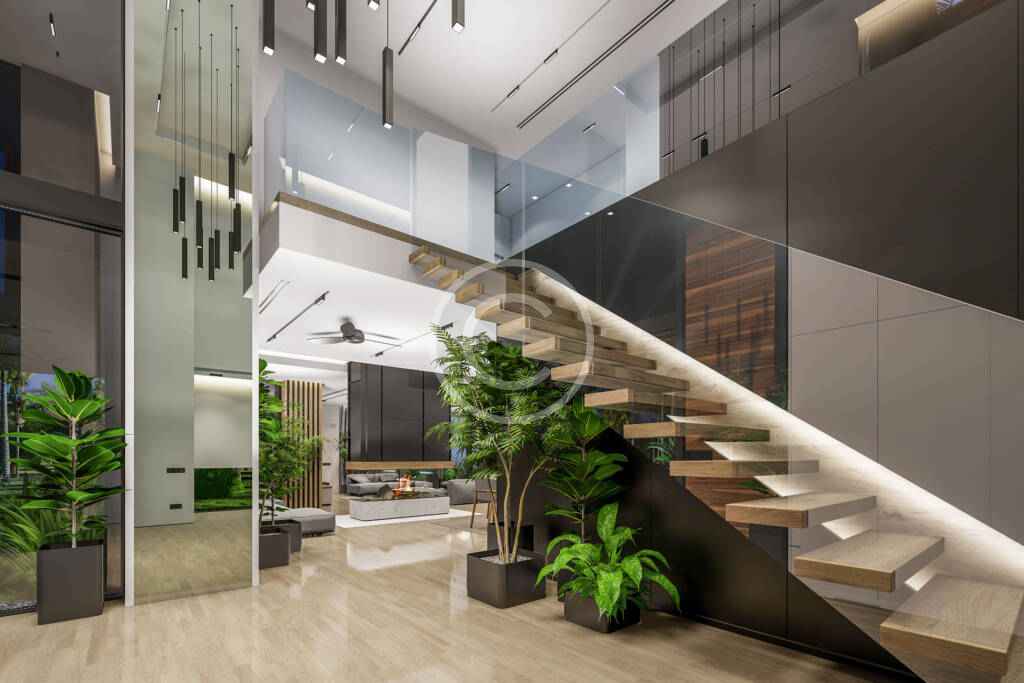
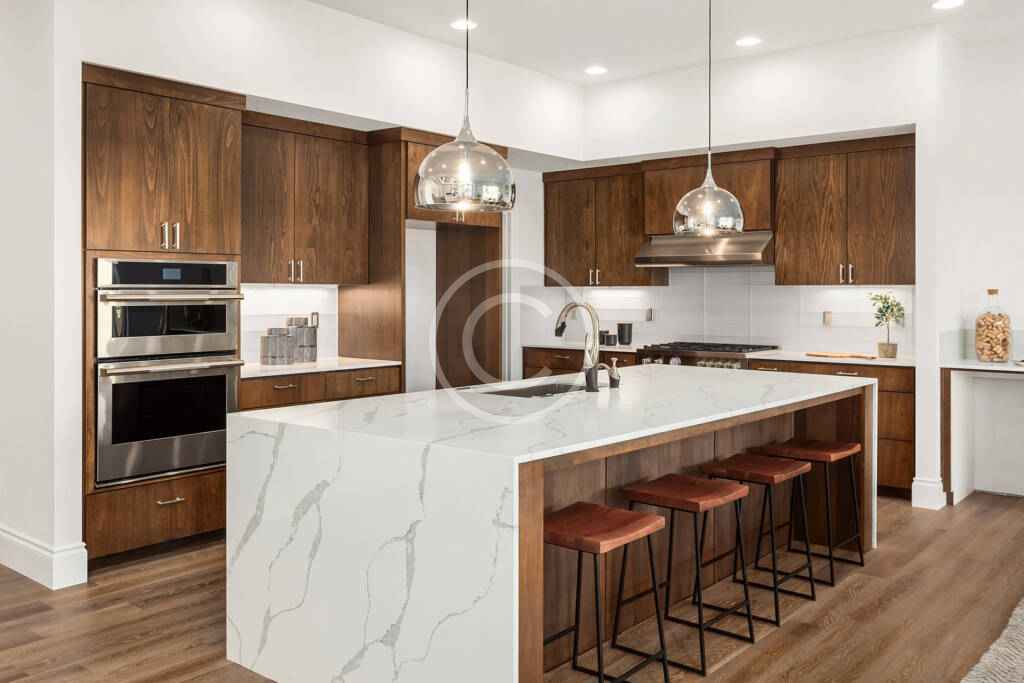
When Transitional Works Best
Transitional style suits those who appreciate traditional comfort but want contemporary freshness. It works excellently in renovated heritage homes where purely modern furniture feels jarring. The style adapts well to changing tastes, as its balanced nature allows easy updates with accessories. It’s also ideal for households where family members have different style preferences.
Building a Transitional Room
Start with quality neutral upholstery in simplified traditional shapes. Add case goods with classic proportions but minimal ornamentation. Introduce contemporary elements through lighting, artwork, and accessories. Keep patterns subtle and colours sophisticated. The result should feel curated and calm rather than busy or conflicted.
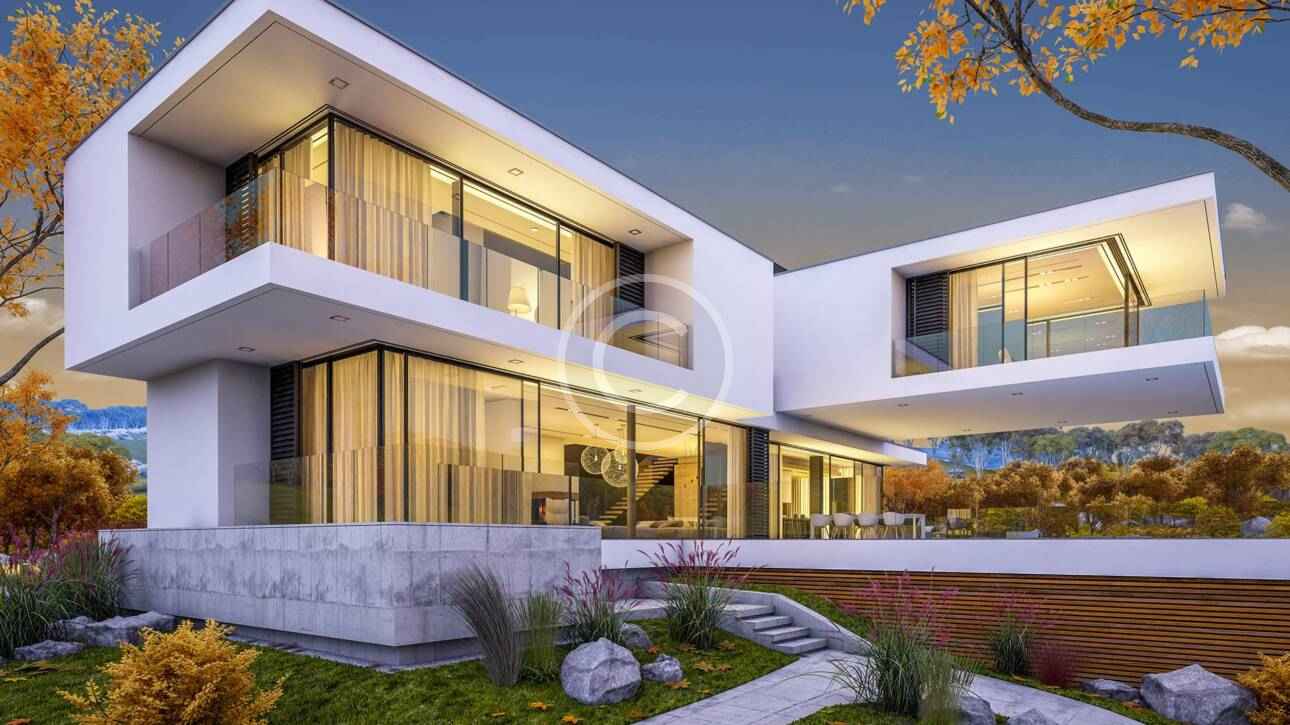
Avoiding Common Mistakes
Transitional design can tip too far in either direction, becoming either dated traditional or stark contemporary. Maintain balance by mixing elements from both influences deliberately. Avoid heavy window treatments or excessive accessories that skew traditional. Similarly, don’t strip rooms so bare they lose warmth. The goal is harmonious middle ground.
Transitional furniture style offers flexibility and lasting appeal. Its balanced nature suits many homes and households, adapting gracefully to changing preferences over time. For those seeking neither purely traditional nor strictly contemporary design, transitional provides an elegant solution.